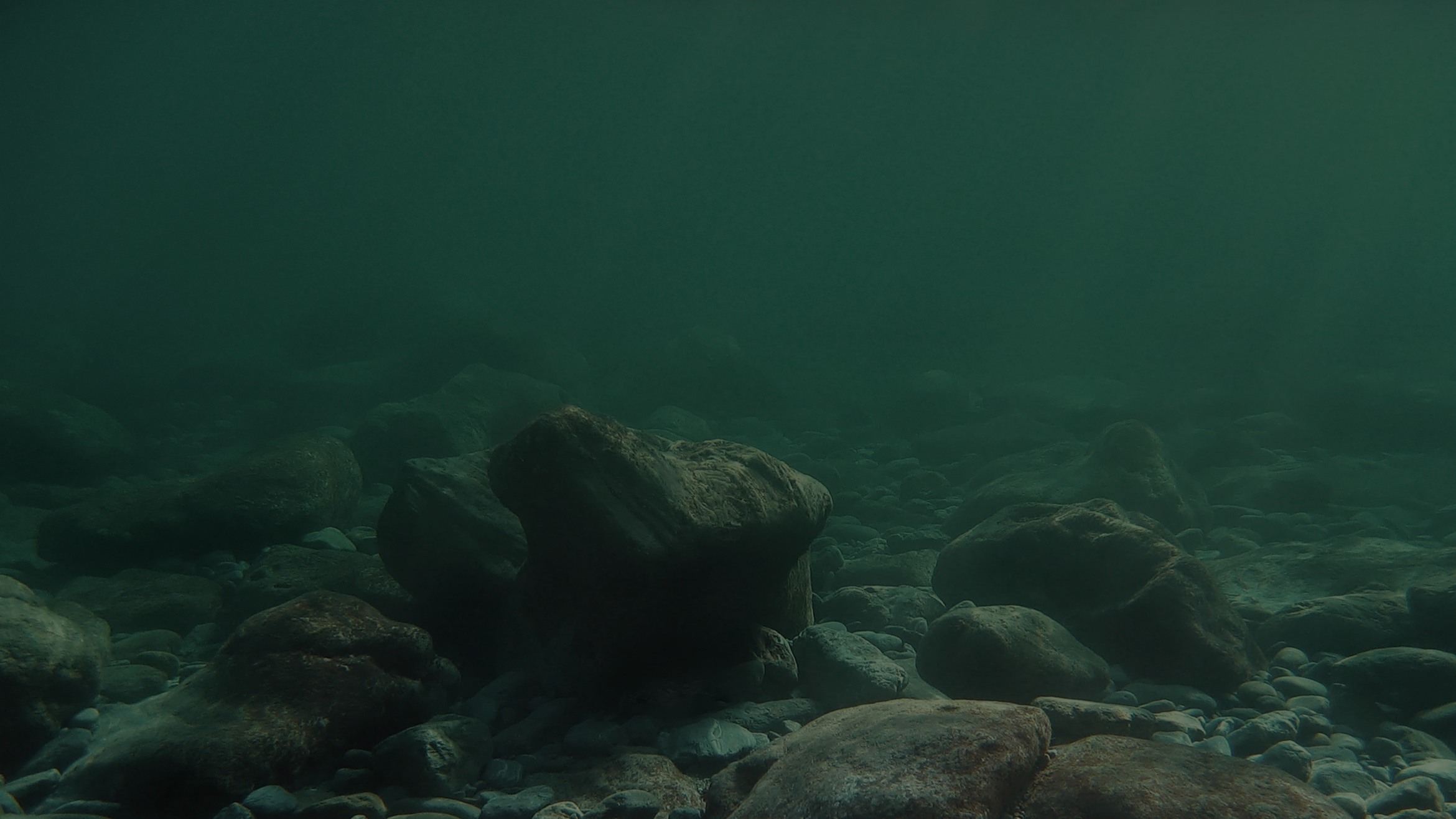
Good for your business. Good for our water.
Turning abundance into impact through a nutrition-first approach.
You shouldn't have to choose between an ingredient that performs and one that does good. Our commercial innovation combined with a deep commitment to sustainability means the environmental benefit comes built in — every order helps reduce invasive-species pressure on American waterways.
The challenge
x Invasive silver carp overwhelm American waterways
x The fish are abundant, nutritious, and underused
x Removal efforts rarely last without a market
Our approach
→ Turn abundance into nutritious ingredients
→ Give your products a clean, responsibly sourced protein
→ Create lasting demand that helps restore balance
Our approach helps reduce pressure from invasive species while giving food and pet nutrition customers a practical way to use natural protein from American waterways.
How we harness an invasive species to create value
1
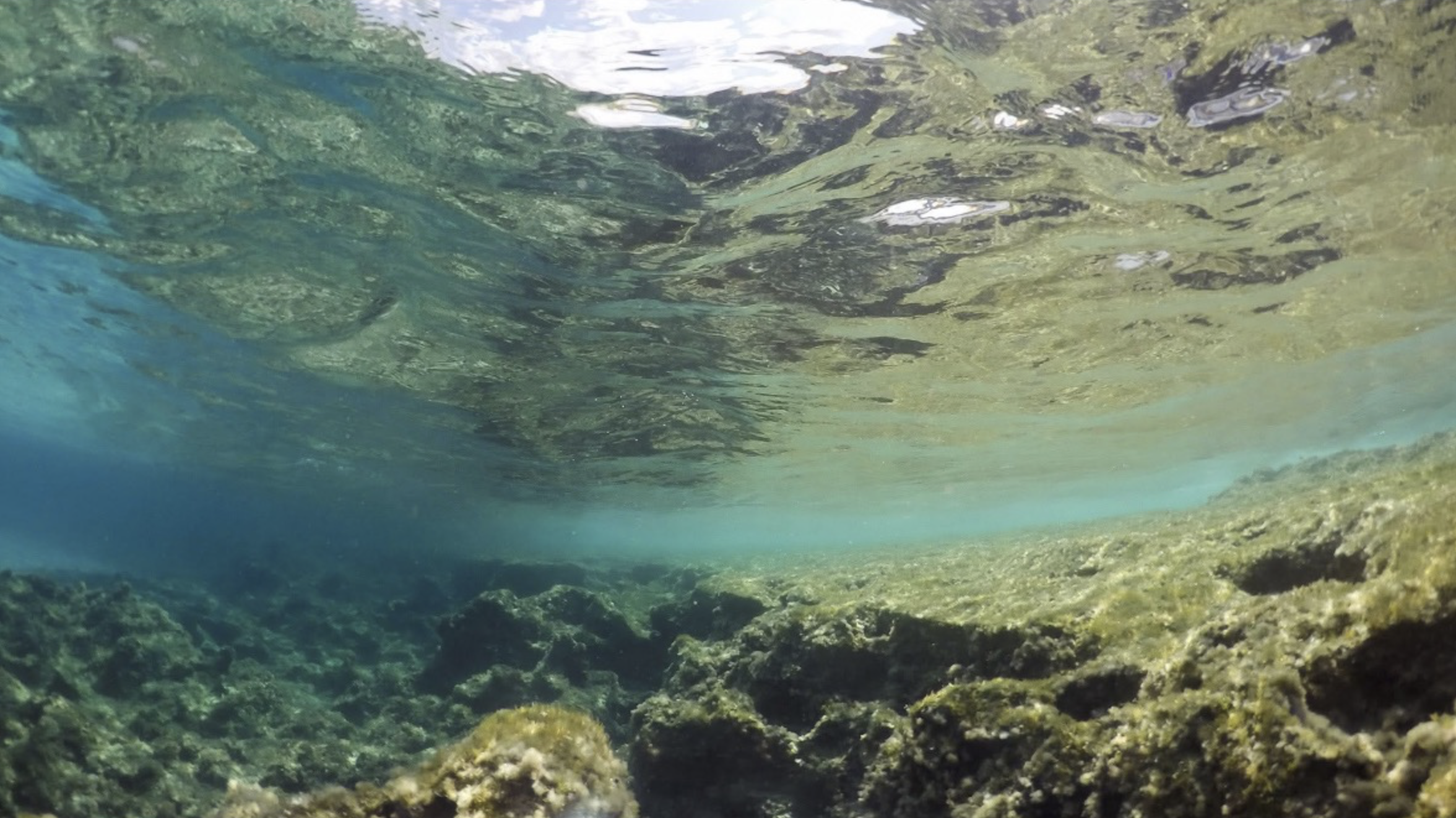
Identify underutilized aquatic resources with nutritional and commercial potential.
Highly nutritious freshwater fish that are invasive to American waterways represent both an ecological challenge and a commercial opportunity.
2
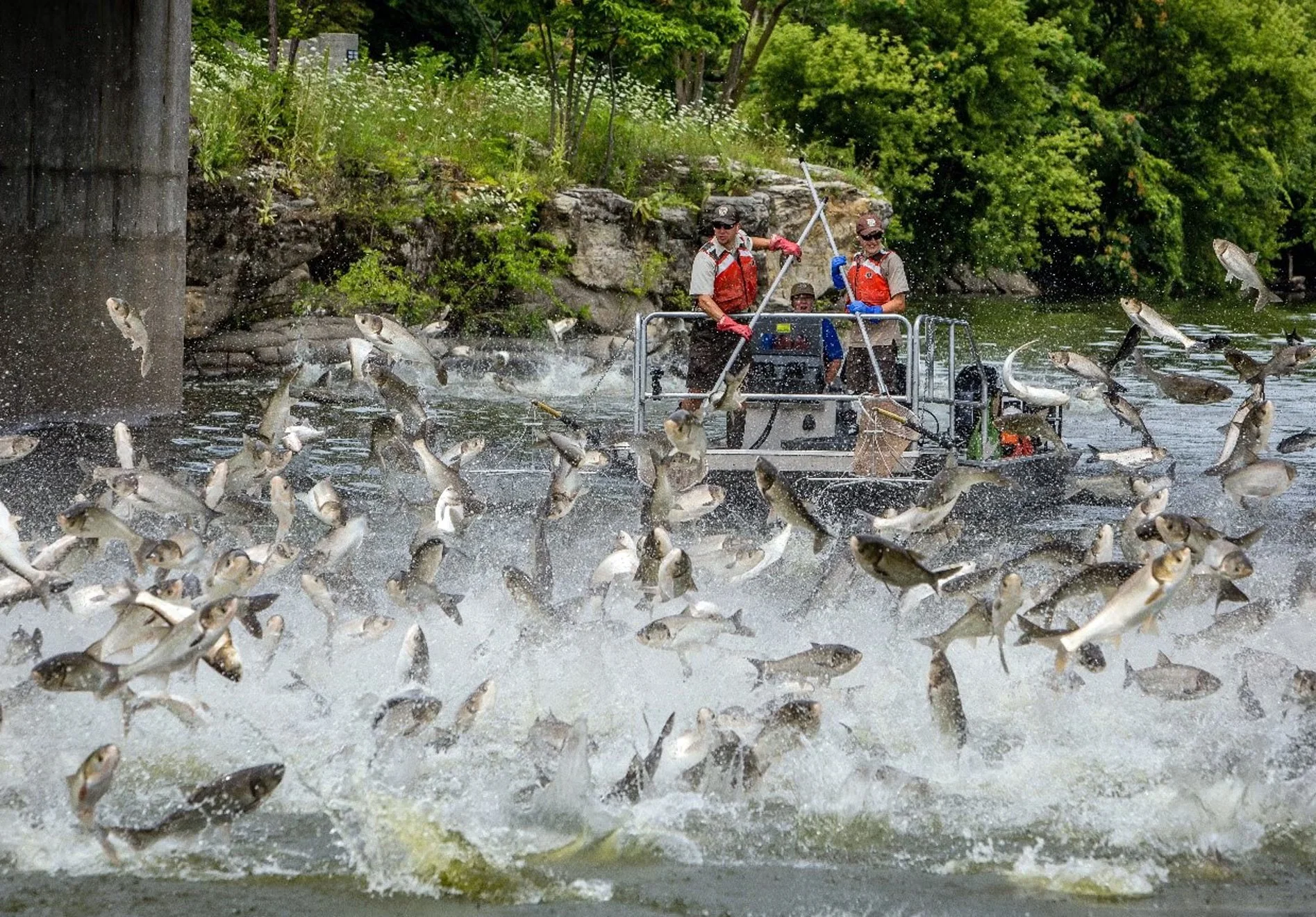
Source responsibly from waterways where harvest can help reduce invasive species pressure.
Harvest supports ecological goals while building supply chains for commercial ingredient production.
3
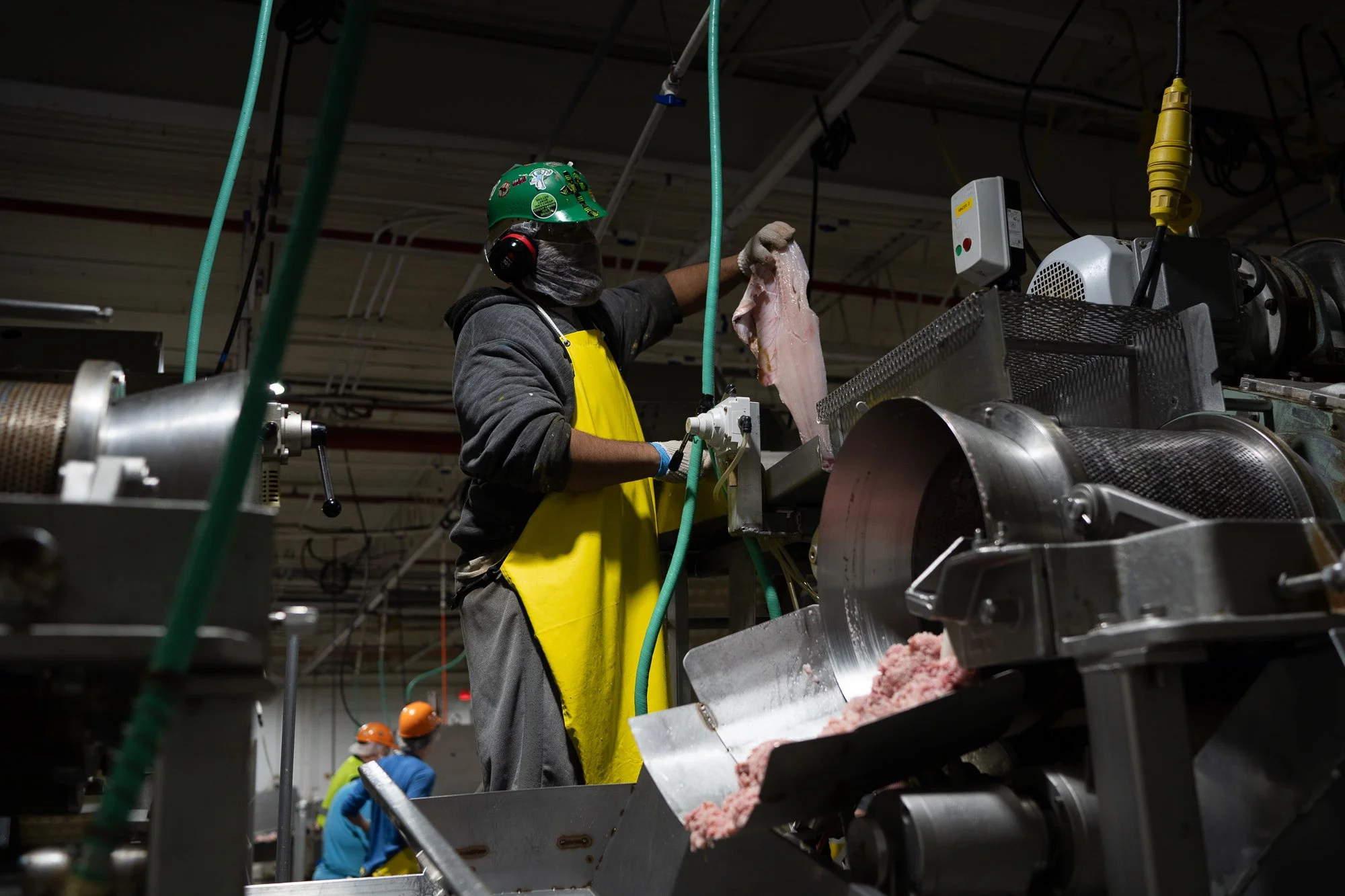
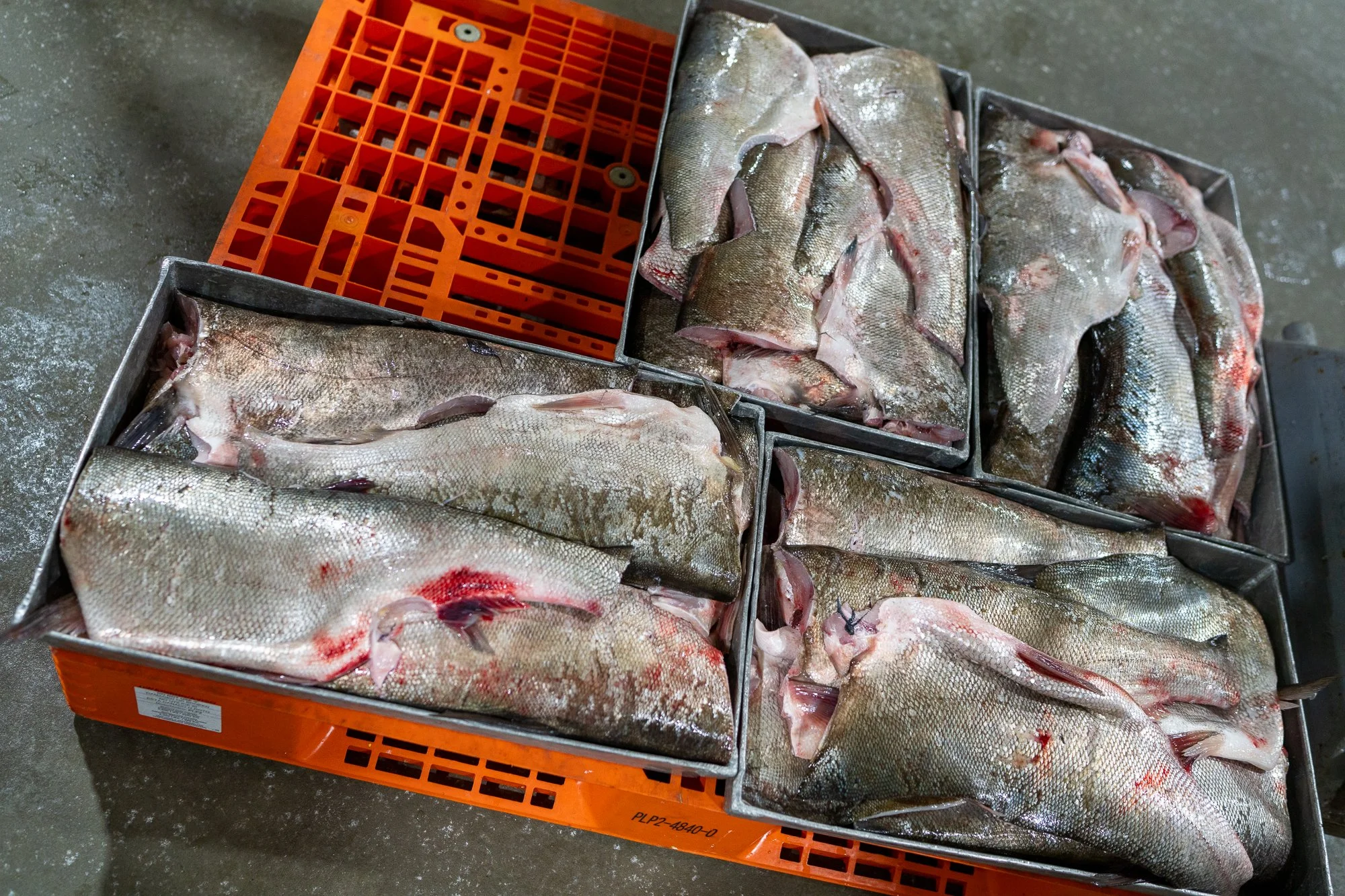
Process into market-specific formats for human food and pet nutrition customers.
Commercial processing discipline creates the specifications and documentation customers need to evaluate and purchase with confidence.
4
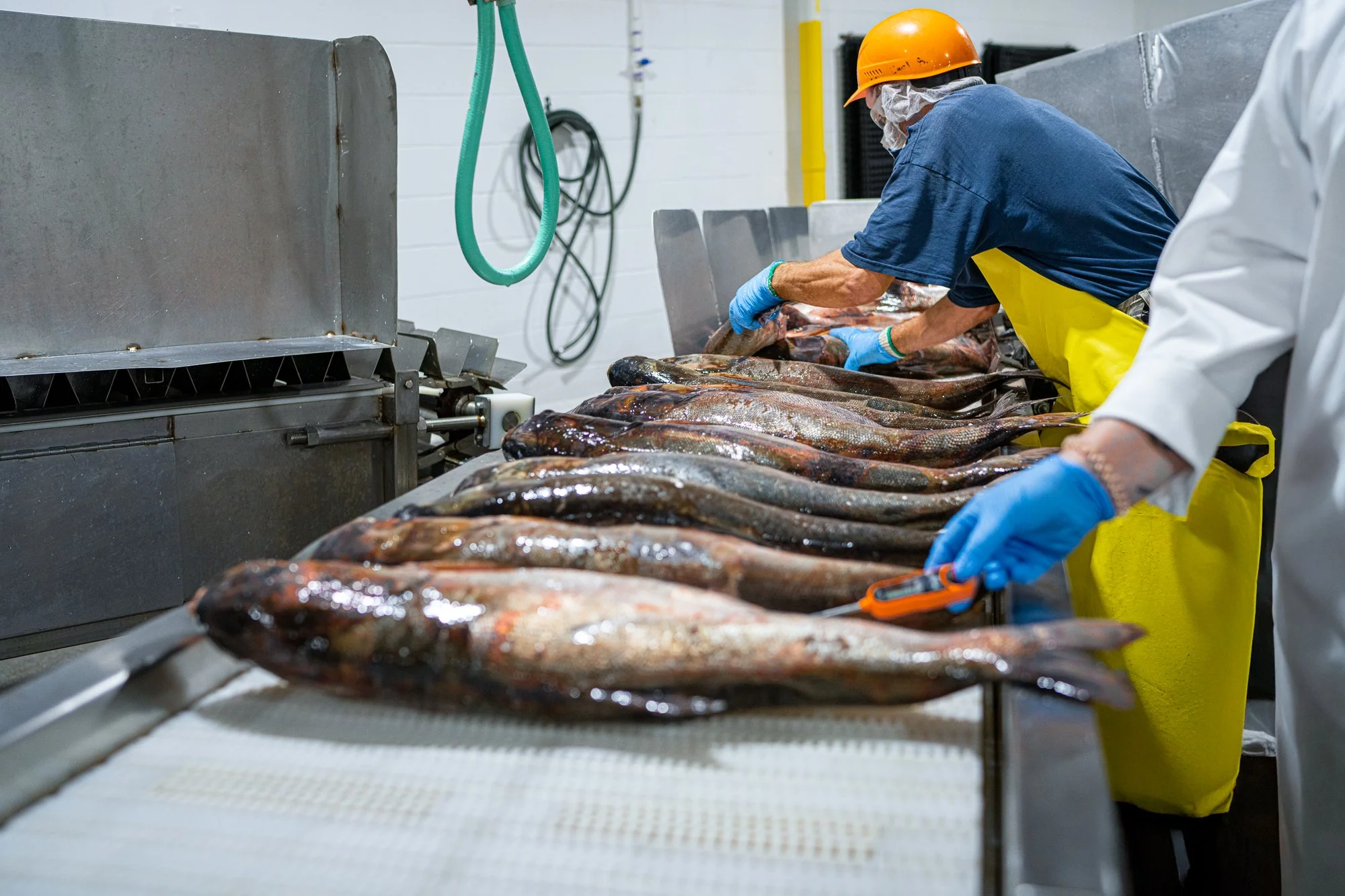
Validate ingredients through specifications, application fit, samples, and customer trials.
Customer confidence is built on proof: does the ingredient perform on nutrition, function, cost, and quality?
5
Scale demand in a way that creates value for customers, communities, and waterways.
When customer demand for good ingredients drives ongoing harvest and processing, environmental restoration becomes economically self-sustaining.
Nutrition first. Sustainability second. Never the opposite.